Canted Smile and Facial Asymmetry: How Orthodontics Can Improve Smile Balance, Jaw Alignment, and Facial Harmony
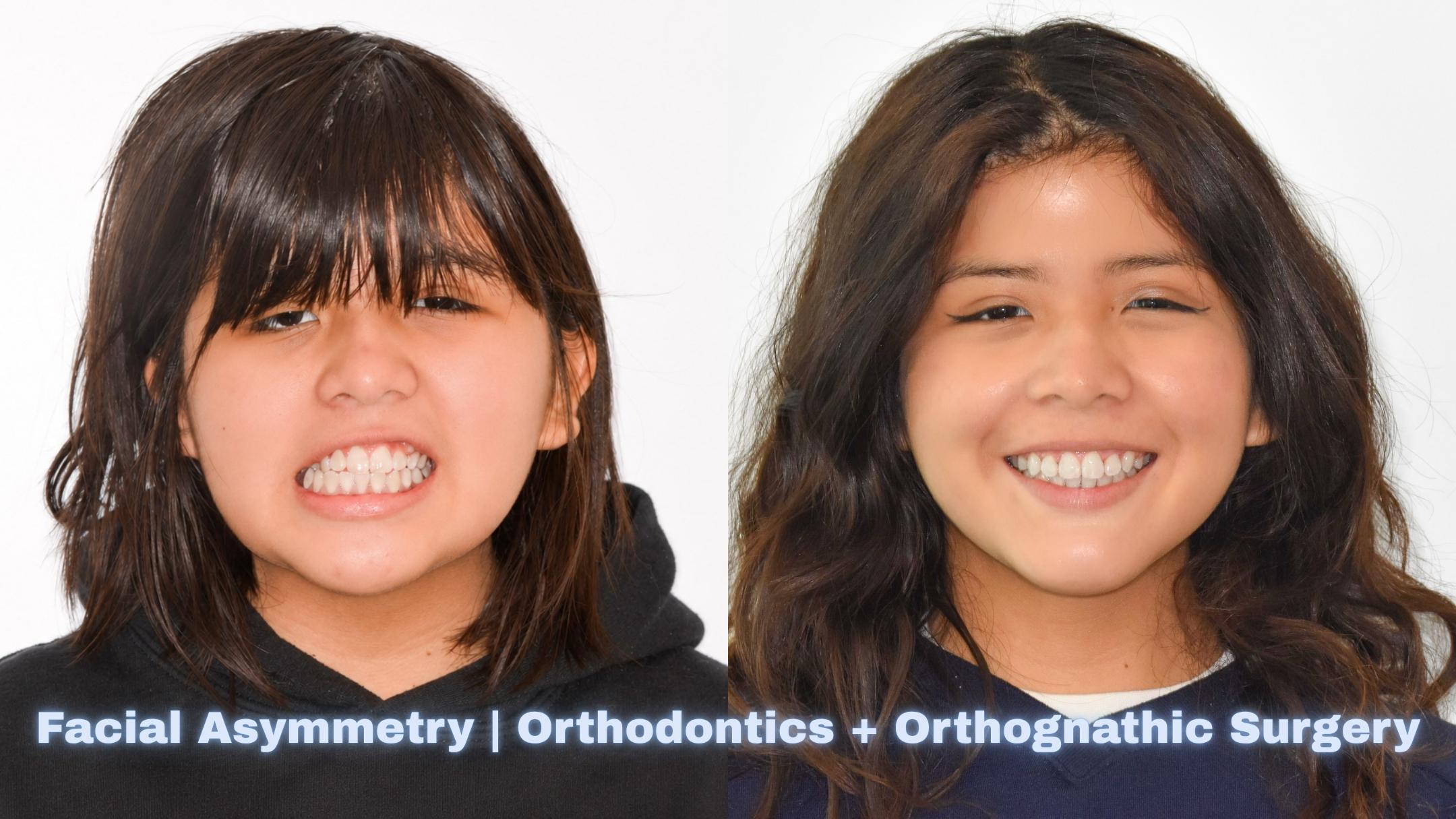
A canted smile can be one of the first visible signs that something deeper may be happening with the bite, jaw position, or facial growth pattern. For some patients, a canted smile looks like one side of the smile sits higher than the other. For others, the chin, jawline, or midface may appear shifted or uneven.
At Elite Orthodontics, we evaluate these cases by looking beyond the teeth. A tilted smile is not always caused by crooked teeth alone. In many cases, it may be connected to the way the upper jaw, lower jaw, bite, and facial structure developed over time.
Some severe adult cases require a coordinated approach between orthodontics and oral and maxillofacial surgery. In those situations, the oral surgeon helps correct the skeletal foundation, while the orthodontist aligns the teeth and bite before and after surgery. This type of teamwork can create a major improvement in facial balance, smile symmetry, bite function, and long-term stability.
However, one of the most important educational points for parents is this: when certain jaw growth issues are identified earlier in life, orthodontic orthopedic treatment may sometimes help guide development before the imbalance becomes more severe. Early treatment cannot guarantee that surgery will be avoided, and not every asymmetry case can be corrected with orthodontics alone. But early evaluation gives families more information, more options, and a clearer path forward.
What Is a Canted Smile?
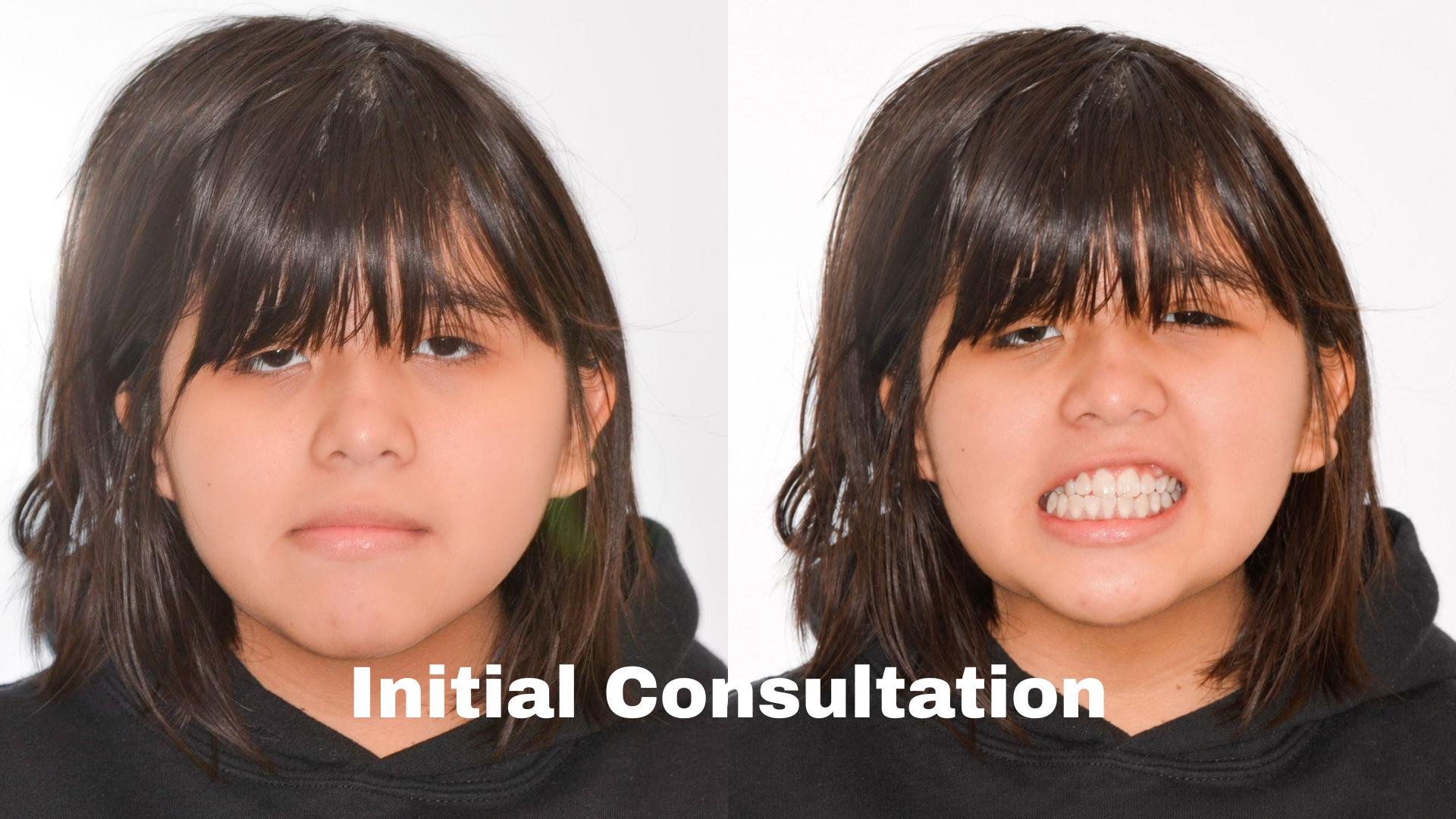 A canted smile happens when the smile line appears tilted instead of level. One side of the upper teeth or gums may show more than the other, creating an uneven appearance when smiling.
A canted smile may involve:
● Uneven tooth display
● A tilted gumline
● Upper jaw canting
● Lower jaw shifting
● Facial asymmetry
● Midline discrepancies
● Bite imbalance
Some cases are primarily dental, meaning the teeth are uneven but the jaw structure is mostly balanced. Other cases are skeletal, meaning the jaw itself developed unevenly. This distinction is extremely important because the treatment options are different.
A dental cant may be improved with braces, aligners, elastics, or other orthodontic mechanics. A skeletal cant may require a more advanced treatment plan, which can include orthodontics combined with oral surgery.
What Causes a Canted Smile?
A canted smile can develop for several reasons. The goal of an orthodontic evaluation is to determine whether the issue is dental, skeletal, muscular, functional, or a combination.
Jaw Growth Imbalance
If one side of the jaw grows differently than the other, the face can begin to look asymmetric. This can affect the smile, chin, jawline, cheek structure, and bite.
In children, the jaw is still growing, which creates an opportunity to guide development. This is why early orthodontic evaluations are so valuable. By around age 7, an orthodontist can often begin identifying developing bite and jaw growth issues before all permanent teeth have erupted.
Crossbite or Bite Shift
A crossbite can cause the lower jaw to shift to one side when the teeth come together. Over time, this functional shift may affect chewing patterns, bite balance, and even facial development.
Parents may notice that their child’s chin moves to one side when they bite down, or that the teeth do not fit together evenly. This should be evaluated early because some bite shifts become more difficult to correct as growth continues.
Facial Asymmetry
Some facial asymmetry is normal. Almost every face has slight differences between the right and left sides. But when asymmetry is noticeable or connected to a bite problem, orthodontic evaluation is important.
Facial asymmetry may include a shifted chin, uneven jawline, tilted smile, uneven tooth display, or a mismatch between the upper and lower dental midlines.
Uneven Tooth Eruption
Sometimes, teeth erupt at different heights, creating the appearance of a tilted smile. In these cases, orthodontics may be able to level the smile line by moving the teeth into better positions.
However, if the jaw itself is tilted, tooth movement alone may not fully correct the problem.
When a Canted Smile Is More Than Cosmetic
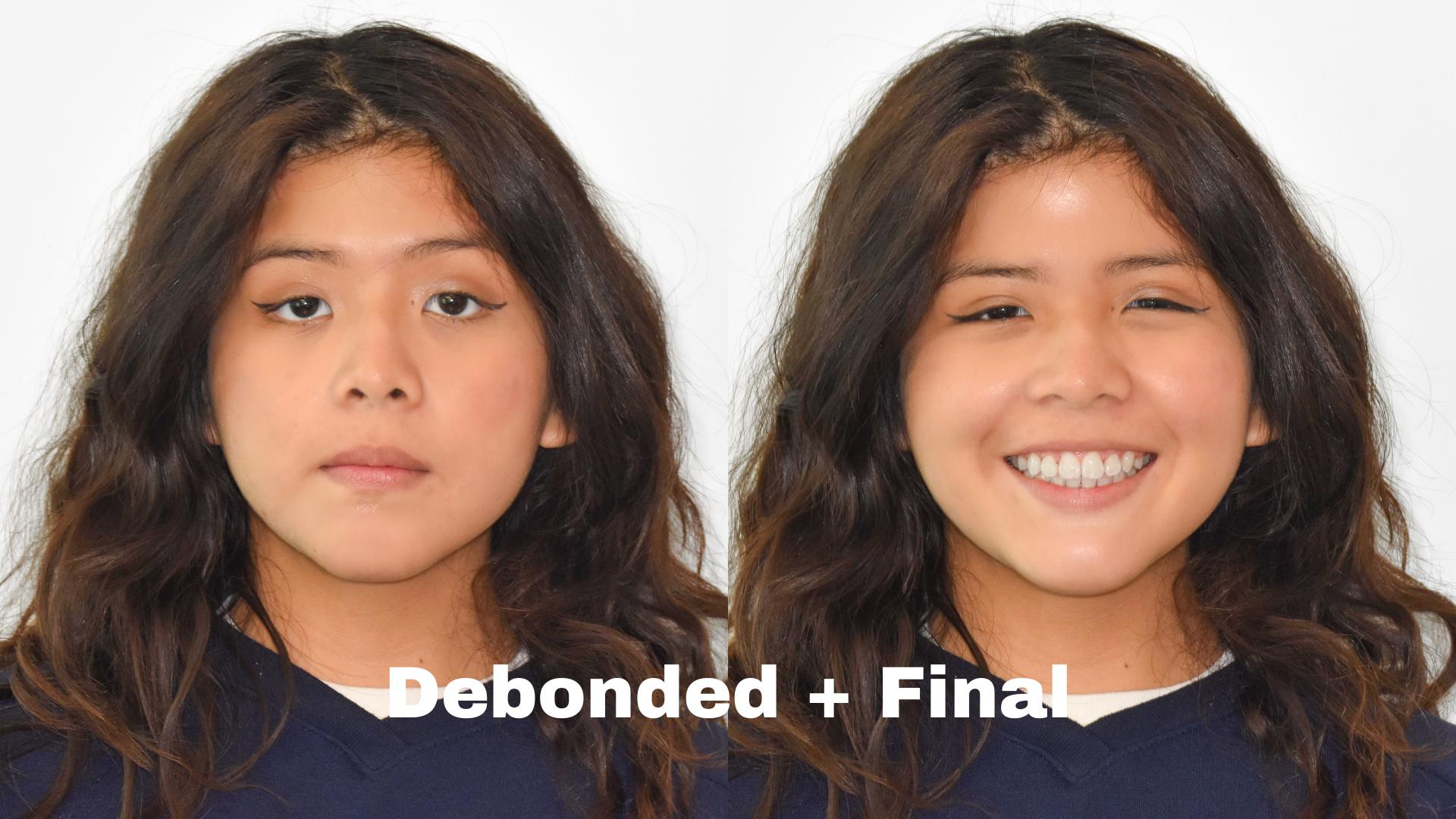 Many patients first notice a canted smile in photos or videos. But from an orthodontic perspective, the smile appearance is only one part of the diagnosis.
A canted smile may be connected to:
● Uneven bite pressure
● Jaw shifting
● Crossbite
● Open bite
● Midline discrepancy
● Gum display asymmetry
● Difficulty chewing evenly
● Jaw joint strain
● Long-term tooth wear
● Facial imbalance
This is why a detailed orthodontic consultation matters. The goal is not just to make the smile look straighter. The goal is to understand the relationship between the teeth, jaws, bite, facial structure, and long-term stability.
How Orthodontics Can Treat a Canted Smile
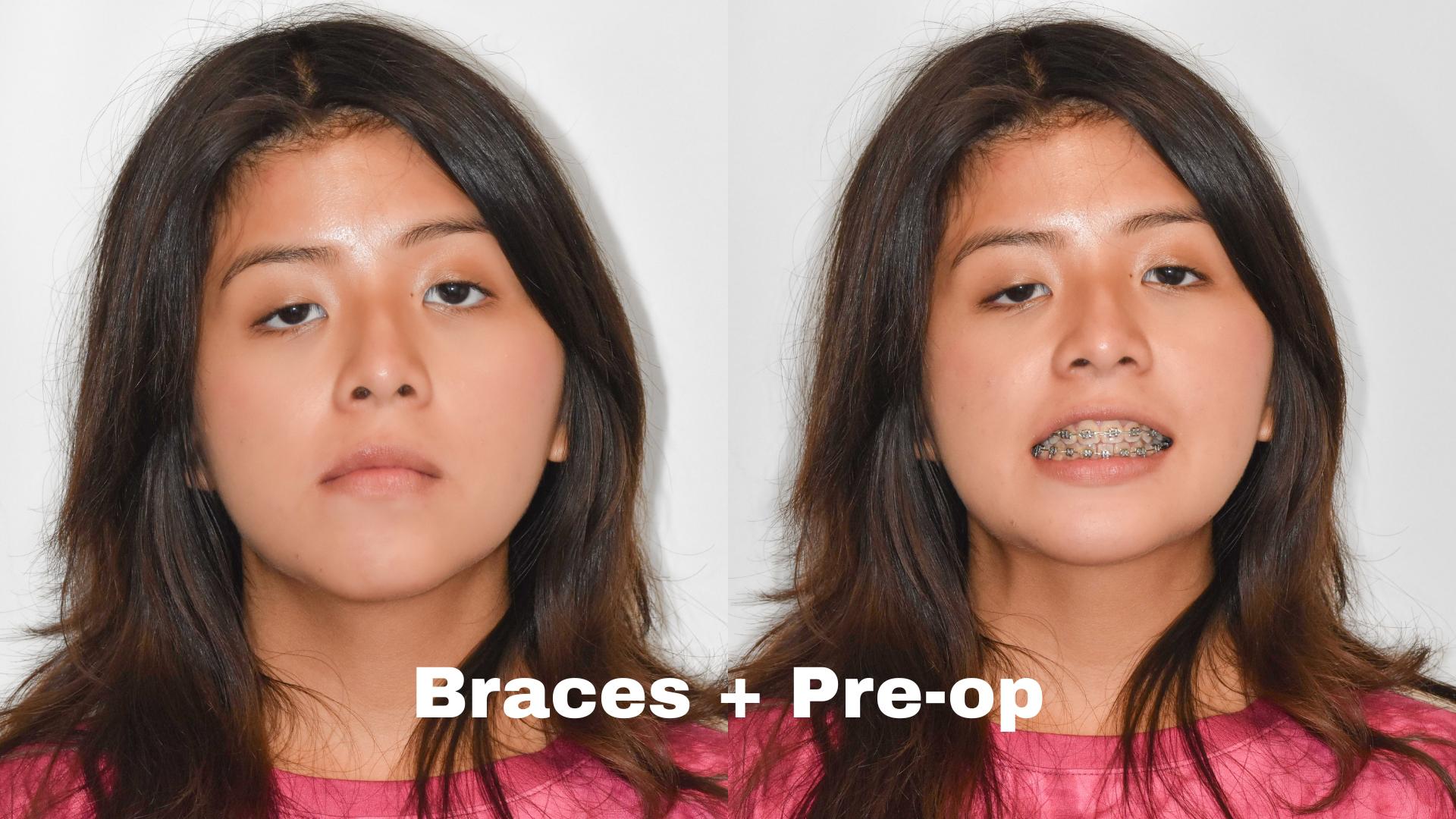 Treatment for a canted smile depends on the cause. At Elite Orthodontics, we first determine whether the issue is dental, skeletal, growth-related, or surgical.
Braces for Canted Smile Correction
Braces can be highly effective when the cant is caused by tooth position or bite imbalance. Braces may help level the smile line, align the teeth, coordinate the bite, correct midline discrepancies, and improve how the upper and lower teeth fit together.
For patients who need jaw surgery, braces are often used before and after surgery. Before surgery, braces prepare the teeth so the jaws can be repositioned properly. After surgery, braces help refine the bite and stabilize the final result.
Clear Aligners for Mild to Moderate Cases
Clear aligners may be an option for some mild or moderate canted smile cases, especially when the issue is mostly dental. However, if the smile CANT is caused by skeletal asymmetry, aligners alone may not be enough.
The right treatment depends on the diagnosis, not the appliance. Some patients are great candidates for aligners, while others need braces, growth guidance, surgical orthodontics, or a combination.
Elastics and Bite Correction
Orthodontic elastics, also known as rubber bands, may be used to help guide the bite into a better position. Elastics can help improve midlines, bite relationships, and asymmetries.
Consistency is extremely important. If a patient does not wear elastics as instructed, treatment may take longer or the final bite may not improve as planned.
Early Orthodontic Growth Guidance
For children, early orthodontic treatment may help guide jaw growth, correct crossbites, reduce harmful bite shifts, expand narrow arches, and create a healthier foundation for the permanent teeth.
The goal of early treatment is not always to put braces on every tooth. In many cases, the goal is to intercept a developing problem before it becomes more complex.
When Oral Surgery Is Needed
In more severe skeletal cases, orthodontics alone may not be enough to fully correct the facial imbalance. This is especially true when the upper jaw, lower jaw, or both jaws developed in an asymmetric position.
In these cases, treatment may involve both an orthodontist and an oral and maxillofacial surgeon. This is known as surgical orthodontics or orthognathic treatment.
The orthodontist aligns the teeth and prepares the bite. The oral surgeon corrects the skeletal foundation by repositioning the jaw. After surgery, orthodontic treatment continues to refine the bite and support long-term stability.
This approach can create a significant improvement in facial harmony, smile balance, jaw alignment, and bite function.
It is important to be clear: in some cases, surgery is the right and necessary treatment. The educational point is not that surgery is bad. The point is that earlier orthodontic evaluation may sometimes allow certain jaw growth problems to be addressed before they become severe enough to require more complex treatment later.
Why Early Orthodontic Intervention Matters
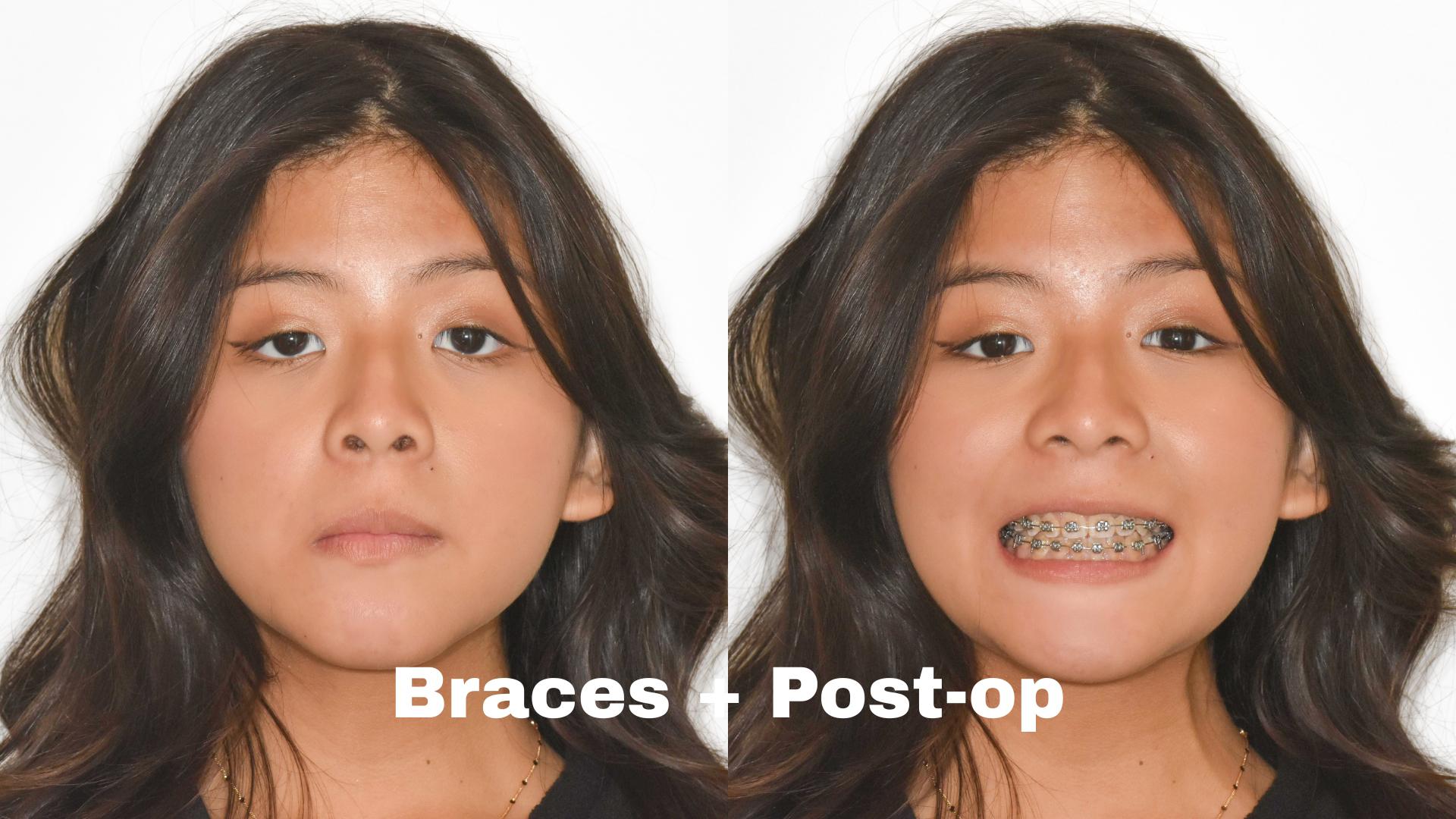 Timing can make a major difference in orthodontics, especially when jaw growth is involved.
A child’s jaw is still developing. If an orthodontist identifies a crossbite, jaw shift, narrow upper jaw, underbite tendency, open bite, crowding, or facial imbalance early enough, there may be an opportunity to guide growth in a healthier direction.
Early orthodontic treatment may help with:
● Guiding jaw growth
● Correcting crossbites
● Reducing bite shifts
● Creating space for permanent teeth
● Improving arch development
● Monitoring facial symmetry
● Reducing future treatment complexity
● Supporting better long-term bite function
Early treatment does not guarantee that surgery will be avoided. Some skeletal cases still require surgery later. But early detection helps families understand what is happening, what should be monitored, and what treatment options may be available.
Signs Your Child May Need an Early Orthodontic Evaluation
Parents do not need to diagnose jaw asymmetry at home, but they can look for signs that an orthodontic evaluation may be helpful.
Schedule an orthodontic consultation if you notice:
● A tilted smile
● Chin shifting to one side
● Upper and lower midlines that do not match
● One side of the face appearing different
● Chewing mostly on one side
● A jaw shift when biting down
● Crossbite
● Underbite
● Open bite
● Severe crowding
● Difficulty biting into food
● Frequent mouth breathing
● Teeth that do not seem to fit together properly
Sometimes the recommendation is early treatment. Sometimes it is monitoring. Either way, the family gets clarity and a plan.
Can Braces Fix Facial Asymmetry?
Braces can improve many smile and bite asymmetries, but they cannot always change the underlying facial bones.
If the asymmetry is mostly dental, braces may create a major improvement. If the asymmetry is skeletal, braces may improve the bite and tooth position, but surgery may be needed for a more complete facial correction.
A patient with a canted smile may need braces, clear aligners, elastics, growth guidance, palatal expansion, oral surgery, or a combination of treatments. The best plan depends on age, growth stage, bite relationship, jaw position, facial structure, and long-term stability.
Canted Smile Treatment for Adults
Adults with a canted smile still have strong treatment options. The main difference is that adult jaw growth is complete, so orthopedic growth guidance is no longer available in the same way it is for children.
Adult treatment may include braces, aligners, bite correction mechanics, cosmetic coordination with restorative dentistry, or surgical orthodontics. For adults with significant jaw asymmetry, orthodontics combined with oral surgery may be the most comprehensive approach.
The good news is that adults can still achieve meaningful improvements in smile balance, bite function, and facial harmony with the right diagnosis and treatment plan.
Canted Smile Treatment for Teens
Teenagers are often in an important treatment window. Some growth may remain, but the permanent teeth are usually developed enough for more comprehensive orthodontic planning.
Teen treatment may include braces, elastics, growth monitoring, bite correction, or surgical planning if needed in the future.
If a teen has a developing jaw asymmetry, an orthodontic evaluation can help determine whether treatment should begin now, whether growth should be monitored, or whether future surgical coordination may be needed.
Canted Smile and Facial Asymmetry Treatment in Northern Virginia
Elite Orthodontics provides orthodontic care for patients across Northern Virginia, including Fairfax, Falls Church, Woodbridge, Lorton, Stafford, Bealeton, and surrounding communities.
Patients often come to us because they are concerned about more than crooked teeth. They may notice that their child’s smile tilts in photos, their jaw shifts to one side, their bite looks uneven, or their face appears asymmetric.
Our approach is to evaluate the full picture:
● Teeth alignment
● Bite function
● Jaw development
● Smile symmetry
● Facial balance
● Airway and oral habits
● Growth patterns
● Long-term stability
For complex cases, we also understand the importance of working closely with oral surgeons and other dental specialists when needed.
Whether you are looking for a canted smile orthodontist in Fairfax VA, facial asymmetry orthodontic care in Falls Church, early orthodontic treatment in Woodbridge, jaw growth evaluation in Lorton, bite correction in Stafford, or children’s orthodontics in Bealeton, Elite Orthodontics is here to help families understand their options.
What Happens During a Canted Smile or Facial Asymmetry Consultation?
A consultation for a canted smile or facial asymmetry is more detailed than simply checking whether the teeth are straight.
At Elite Orthodontics, the evaluation may include smile analysis, bite evaluation, facial balance assessment, growth evaluation for children, digital scans, X-rays, photos, and a customized treatment discussion.
We look at how the teeth fit together, whether the jaw shifts, whether the smile line is level, whether the dental midlines match, and whether the facial structure appears balanced.
Depending on the findings, the recommendation may include monitoring, braces, clear aligners, early orthopedic treatment, surgical consultation, or a phased treatment plan.
Frequently Asked Questions
Can orthodontics fix a canted smile?
Orthodontics can often improve a canted smile, especially when the cause is related to tooth position, bite imbalance, or uneven eruption. If the cant is caused by jaw asymmetry, orthodontics may need to be combined with oral surgery.
Can early orthodontic treatment prevent jaw surgery?
Early orthodontic treatment cannot guarantee that jaw surgery will be avoided. However, in some cases, early growth guidance may help reduce the severity of developing jaw problems and create more treatment options later.
Is a canted smile only cosmetic?
Not always. A canted smile can affect appearance, but it may also be connected to bite imbalance, jaw shifting, crossbite, uneven tooth wear, and facial asymmetry.
Do adults with facial asymmetry always need surgery?
No. Some adults can improve their smile and bite with orthodontics alone. If the asymmetry is skeletal, jaw surgery may be needed for a more complete correction.
Schedule a Canted Smile or Facial Asymmetry Evaluation at Elite Orthodontics
If you or your child has a canted smile, facial asymmetry, jaw shift, crossbite, underbite, open bite, or uneven bite, the most important step is getting a clear diagnosis.
At Elite Orthodontics, we help patients across Northern Virginia understand what is happening beneath the surface of the smile. Whether the answer is monitoring, braces, early growth guidance, aligners, or coordination with an oral surgeon, our goal is to create a treatment plan that supports long-term function, facial balance, and confidence.
Schedule a consultation with Elite Orthodontics today to learn whether orthodontic treatment can help improve your smile balance, bite function, and jaw development.